
What one puts
in the school lunch can be something of a day-to-day guessing game. You want
nutrition. Your child desires something popular and entertaining. And why half
a lunchbox returned untouched, you ask yourself by 3 p. m.
It is not
perfection but proper planning. Lunch with high amounts of food contributes to
energy, concentration, and development throughout the long school day. And,
with the appropriate format, you may pack together meals that are balanced,
attractive, and realistic when you are in a rush during the mornings as well.
1.
Build Lunch Around a
Balanced Formula
Follow a basic
nutritional pattern instead of just stuffing any item in a lunchbox. The school
lunch should be balanced and consist of:
·
Protein (to grow and provide England with lasting energy)
·
Greens (to clean his body and brain)
·
Vegetables (vitamins and antioxidants) and fruits (vitamins
and antioxidants)
·
Fats (brain support) Healthy fats.
·
Hydration (preferably water)
Considering an
example of a turkey and whole-grain wrap with sliced cucumbers, berries, and a
handful of nuts as an effective nutritional basis. This mixes the sugar in the
blood and prevents the crashes around mid-afternoons.
2.
Make It Visually Appealing
and Easy to Eat
Children take
their food with their eyes. A haphazard or excessively complicated lunch will
make them not finish it, as there is a limited amount of time during lunch.
Use cut
sandwiches in the shapes of fun. Use bright colored fruit such as strawberries,
kiwi, or orange slices. The bento-style box presents compartments so that the
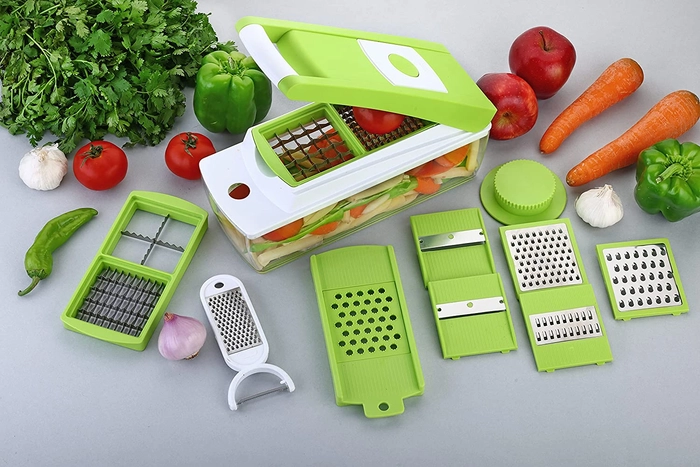
foods can be separated to be placed visually, adding variety to the box. Use a fruit and vegetable cutter to turn vegetables into different
shapes.
3.
Include Familiar Favorites
with Small Upgrades
Children are
attracted to familiar foods. Rather, revamp them on a nutritional basis.
Examples:
·
Replace white bread with whole-grain bread.
·
Substitute sweet yogurt with plain yogurt and honey, and
fruit.
·
Consume home-made popcorn in place of processed chips.
·
Select baked versions of food items that are major snack
foods.
It is a
non-resistant method that will gradually enhance the quality of nutrition. The
improvement should be subtle and can be more sustainable than drastic changes.
4.
Plan Weekly Menus to
Reduce Morning Stress
Rushing to
pack lunch usually results into same or less balanced decisions. Designing a
basic weekly lunch program saves time and enhances diversity.
Spinous
proteins (chicken, eggs, beans, cheese, tuna). A variety of fruits and
vegetables in a week. Ready foods such as boiled eggs, sliced vegetables, and
cooked cereals. Here, one can use the fruit
and vegetable cutterto neatly pack the items for the kid.
Preparing in
batches over the weekend or in the evenings will mean that there will always be
healthier choices to make - on a busy morning too.
5.
Keep Sugar and Processed
Foods in Check
Snacks, which
are available as packages, are convenient and are usually rich in added sugar,
sodium, and low-quality fats. Although the occasional indulgence is okay,
depending on processed food on a daily basis may have consequences for the levels
of energy and concentration.
Use water or
milk boxes as an alternative to juice boxes. Select whole fruits and not fruit
snacks. Instead of purchasing sugary granola bars, prepare energy bites or
dried fruit and nut combinations.
Intermittent
modifications work in favor of health in the long term without the feeling of
lunchets as limiting.
6.
Pay Attention to What
Comes Back Home
The feedback
provided by your child's lunchbox is helpful. Should there be some food that
always remains unreasoned, change the amounts, or replace the products?
This does not
imply that vegetables should go away; it may just represent eating less or
cooking them in a different way. Rather than raw sticks, roasted carrots may
help to be more attractive. Finally, large portions might not be as effective
as bite-sized portions.
Coming to a
decision based on observation and minor adjustments will only produce improved
outcomes in the long term.
Conclusion
Healthy school
meals do not necessarily need to be complex. Due to balance, presentation,
preparation, and involvement, parents can load meals that help to grow, provide
energy, and learn, and kids enjoy having meals. Perfection is always defeated
by consistency.

The Speed Demon: Milliseconds matter. TigerExchange.ai executes trades at lightning speed, capitalizing on fleeting opportunities humans miss. He's the high-frequency trader you never knew you needed.
ReplyDeletetiger exchange vip
Thanks for sharing these practical ideas for planning school lunches that are both nutritious and enjoyable. Balancing health with taste and presentation makes a real difference in what kids actually eat. Simple variety, colorful options, and thoughtful preparation can turn everyday lunches into meals children look forward to finishing.
ReplyDeletetraffic lawyer
Thanks for sharing these practical ideas for planning school lunches that are both nutritious and enjoyable. Balancing health with taste and presentation makes a real difference in what kids actually eat.
ReplyDeleteelf bar